Introduction
Rescue dogs often need extra time to feel secure after entering a new home. Changes in people, surroundings, routines, and previous experiences can make being alone difficult. For some dogs, this stress becomes separation anxiety.
The signs of separation anxiety in rescue dogs can appear soon after adoption or develop gradually. A dog may bark, pace, destroy objects, escape, drool, or become distressed when the owner prepares to leave. These behaviors are not usually acts of revenge or disobedience. They can reflect genuine emotional distress.
Fortunately, a calm and consistent routine can help many dogs cope better. The most effective approach usually combines management, gradual desensitization, positive reinforcement, and patience.
Understanding Separation Anxiety in Rescue Dogs
Separation anxiety occurs when a dog experiences significant distress when separated from a person or people to whom it is attached. Rescue dogs may face additional challenges because their histories are sometimes unknown.
A dog may have experienced abandonment, repeated changes in homes, kennel stress, or unpredictable routines. However, adoption itself does not automatically cause separation anxiety. Individual temperament and past experiences both matter.
The first step is understanding what your dog does before, during, and after separation. This helps you recognize the signs of separation anxiety in rescue dogs instead of assuming every unwanted behavior has the same cause.

Common Signs of Separation Anxiety in Rescue Dogs
One of the clearest signs is distress that begins when the owner prepares to leave. Your dog may become unusually attentive when you pick up your keys, put on shoes, or reach for a bag.
Some dogs begin pacing or following their owners from room to room. Others may whine, bark, pant, or repeatedly seek physical contact.
Once alone, the behavior can become more intense. A distressed dog may scratch doors, chew furniture, dig at flooring, or attempt to escape through windows. Excessive vocalization is another common warning sign.
Physical symptoms can also occur. Some dogs drool heavily, tremble, urinate, defecate, or refuse food when left alone. These signs deserve attention because they indicate more than ordinary boredom.
A useful clue is timing. If destructive behavior happens mainly during periods of isolation, separation-related distress becomes more likely.
How to Tell Anxiety From Boredom
Not every dog that destroys furniture has separation anxiety. Young dogs may chew because they are teething, energetic, or under-stimulated.
Boredom can often improve with exercise, enrichment, and appropriate chewing options. Separation anxiety usually involves a stronger emotional response to being alone.
A camera can provide valuable information. Record your dog for short periods after leaving and observe what happens.
Look for pacing, repeated vocalization, frantic door scratching, persistent panting, or attempts to escape. Also notice whether your dog eventually settles or remains distressed.
This information can help you understand the pattern and create an appropriate training routine.
Why Rescue Dogs May Struggle With Being Alone
A newly adopted dog is adapting to many changes at once. The home, smells, sounds, people, schedule, and expectations may all be unfamiliar.
Some rescue dogs become strongly attached to their new caregiver because that person represents safety. Consequently, leaving the home can feel particularly difficult.
However, avoid assuming that every rescue dog has experienced abandonment. A dog’s history may be unknown, and guessing about trauma can lead to inappropriate training decisions.
Instead, focus on the behavior you can observe. Build predictability, create safe routines, and gradually teach your dog that separation is temporary.
Creating a Calming Home Routine
A predictable daily routine can reduce uncertainty. Try to keep feeding, walks, rest, training, and bedtime reasonably consistent.
Before leaving, provide an opportunity for physical activity and bathroom needs. A relaxed dog may find it easier to settle than an overstimulated dog.
Create a comfortable resting area where your dog can relax without being disturbed. Some dogs prefer an open bed, while others enjoy a quiet room.
Avoid making departures emotionally intense. Long goodbyes can increase excitement or anxiety. Instead, remain calm and matter-of-fact.
The same principle applies when returning. Give your dog a moment to settle before creating a highly energetic greeting.
The Role of Desensitization
Desensitization is central to helping dogs that become anxious about separation. The basic principle is simple: expose the dog to a very small version of the trigger without causing significant distress.
For example, your dog may react when you walk toward the front door. Instead of immediately leaving for an hour, practice walking toward the door and then returning.
Next, touch the door handle without leaving. Later, open the door briefly and come back. Eventually, you can step outside for a very short period.
The exact progression depends on the individual dog. The goal is to keep each exercise below the point where panic begins.
If your dog becomes highly distressed, the step was probably too difficult. Reduce the duration and rebuild gradually.
Building a Proven Calming and Desensitization Routine
Start by identifying your dog’s current comfort level. Some dogs may tolerate thirty seconds alone, while others become distressed immediately.
Begin below that threshold. If ten seconds alone causes anxiety, practice only a few seconds at first.
Repeat short successful separations rather than testing long absences. Several calm repetitions can teach your dog that leaving does not always lead to prolonged isolation.
Gradually increase the duration. Move from seconds to longer intervals only when your dog consistently remains relaxed.
You can also practice independence while you are still home. Encourage your dog to relax on a bed while you move around the room.
Then briefly walk into another room and return. Over time, increase the distance and duration.
The routine should remain boring and predictable. Your dog learns that separation is ordinary and safe rather than something alarming.
Using Positive Reinforcement
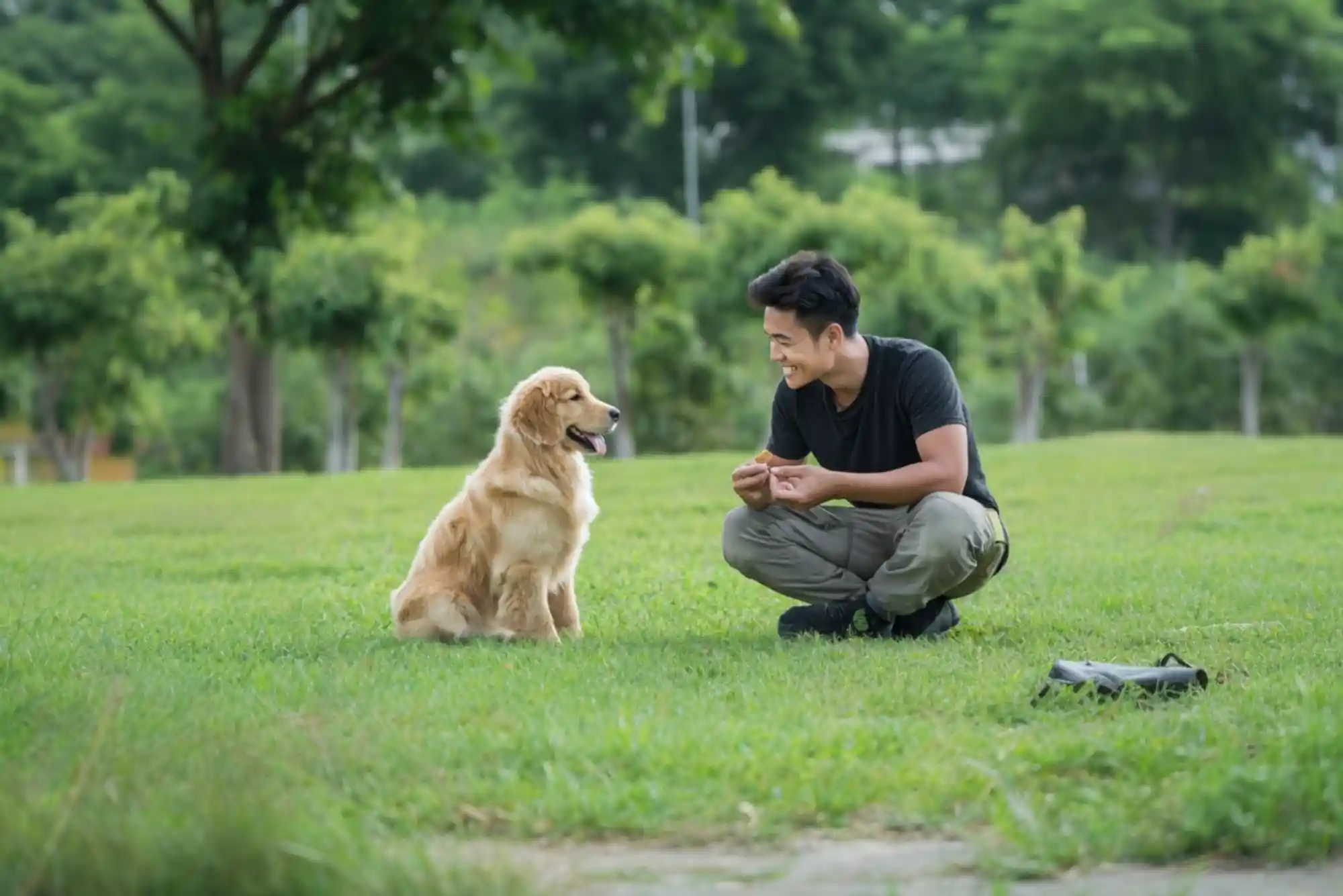
Reward calm behavior whenever appropriate. If your dog relaxes on a bed while you move away, quietly reinforce that behavior.
Food-based enrichment can also create positive associations with alone time. A veterinarian-approved chew or food puzzle may give your dog something appropriate to focus on.
However, enrichment should not be viewed as a complete treatment. A severely anxious dog may ignore food when alone.
The primary goal remains emotional comfort and gradual learning. Rewards support that process rather than replacing it.
What to Avoid During Training
Avoid punishment for barking, destruction, accidents, or escape attempts caused by separation distress. Punishment can increase fear and make the underlying problem harder to manage.
Do not deliberately leave an anxious dog alone for long periods to “teach a lesson.” This can overwhelm the dog and make future departures more difficult.
Avoid increasing alone time too quickly. Progress is rarely perfectly linear.
Some days may go well, while another day requires an easier training step. That is normal.
Consistency matters more than speed. Your dog needs repeated experiences showing that calm separation is safe.
When Professional Help Is Necessary
Some cases require support from a veterinarian or qualified behavior professional. Contact a professional if your dog attempts to escape, injures itself, destroys doors or windows, experiences severe panic, or cannot tolerate even very short separation.
Medical conditions can also contribute to changes in behavior. A veterinary assessment can help rule out physical problems and determine whether additional treatment is appropriate.
In severe cases, behavior modification may be combined with veterinary treatment. Medication, when prescribed, can sometimes reduce anxiety enough for a dog to learn more effectively.
Professional support is especially important when safety is involved. A customized plan can prevent owners from accidentally progressing too quickly.
How Long Does Separation Anxiety Training Take?
There is no universal timeline. Some dogs improve within weeks, while others need several months of consistent work.
The starting point matters greatly. A dog that can already relax for ten minutes alone may progress differently from one that panics immediately.
Track small improvements instead of expecting overnight changes. A calmer response to departure cues is meaningful progress.
Likewise, resting quietly in another room can be an important milestone. Success should be measured by relaxation rather than simply the amount of time your dog remains alone.
Frequently Asked Questions
What are the signs of separation anxiety in rescue dogs?
Common signs include excessive barking, pacing, panting, drooling, destructive behavior, escape attempts, house-soiling, trembling, and extreme distress when an owner leaves.
How do you calm a rescue dog with separation anxiety?
Start with a predictable routine and gradual separation training. Practice very short absences that remain below your dog’s anxiety threshold. Reward calm behavior and increase duration slowly.
How long does separation anxiety last in rescue dogs?
The duration varies between individual dogs. Mild cases may improve relatively quickly, while severe anxiety can require months of structured training and professional support.
Should I ignore my dog with separation anxiety?
Ignoring distress completely is not a treatment plan. Instead, reduce overwhelming separations and teach calm independence through gradual desensitization.
Can a rescue dog overcome separation anxiety?
Many dogs can learn to cope better with alone time. Progress depends on the dog’s temperament, severity of anxiety, environment, consistency, and training approach.
Should I crate a dog with separation anxiety?
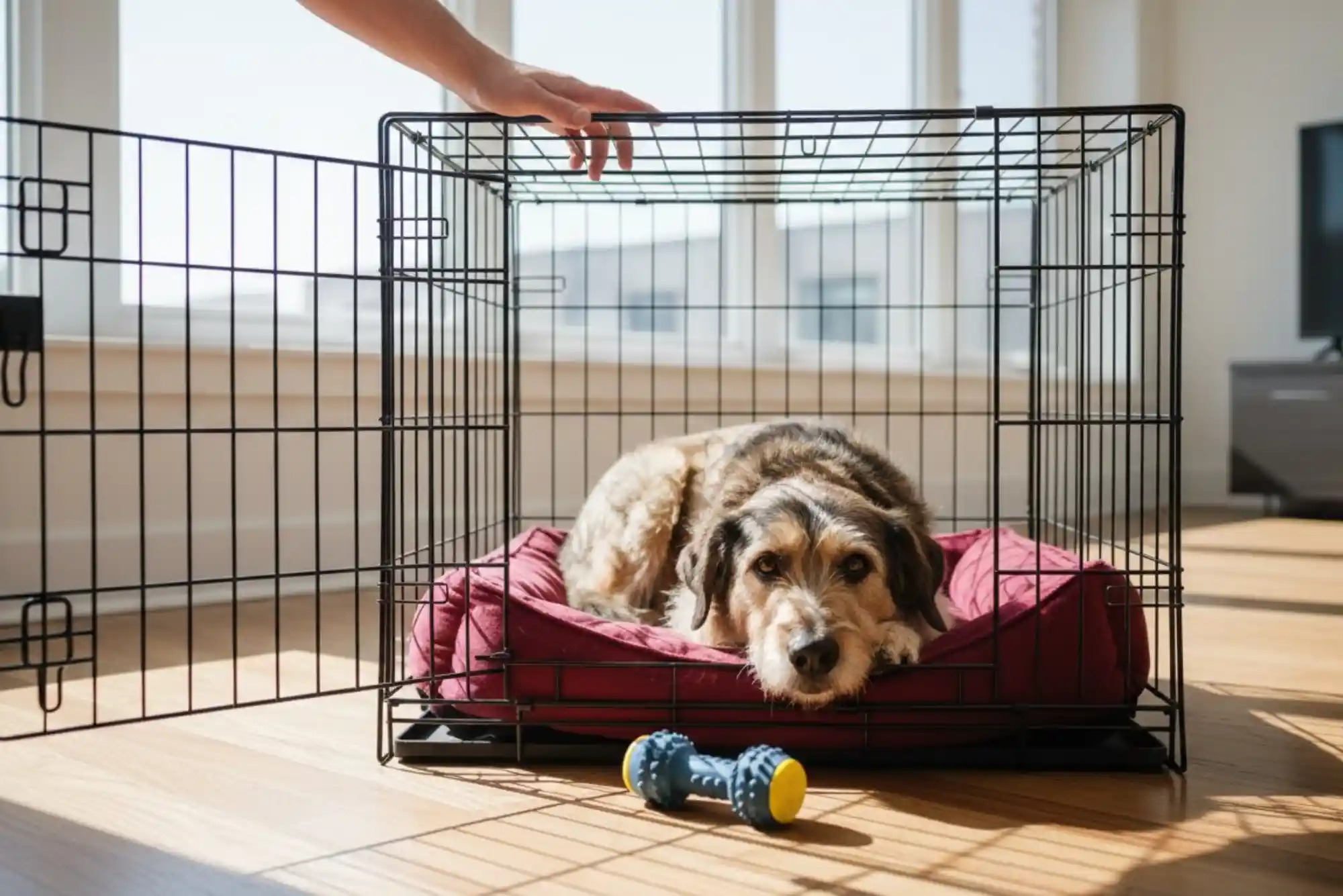
A crate should not automatically be used for separation anxiety. If a dog panics inside the crate, confinement can increase distress and create injury risks. A safe room or appropriate gated area may be more suitable.
Conclusion
Recognizing the signs of separation anxiety in rescue dogs is the foundation of effective support. Barking, pacing, destruction, escape attempts, and physical stress signals should be treated as communication rather than deliberate misbehavior.